
法国菜制作
视频简介
亀奈ゆうの同名マンガをもとにした本作は、夫の不倫が原因でバツイチになった35歳の主人公・小野和葉と、彼女に好意を寄せる新入社員・満井絢斗が繰り広げるラブストーリー。。瑞秋(黛咪•摩尔饰)是成功的神秘小说作家,经常登上畅销书排行榜。但当5岁的儿子在玩耍时溺水而亡后,无法再面对充斥了各种回忆的旧居。她只身前去某个渔村,在好朋友细致周到的安排下住在一个小房子里,准备开始新的创作。 这个小渔村有通灵的神婆,也有善良的酒吧老板,还有远处小岛上的灯塔半明半灭。她的生活看似渐渐归于平静。一天在小岛上她认识了一个俊朗不羁的男子,并迅速坠入热恋。 但在次日的相约中男子并没有出现,无论她如何寻找也不得其法。经过打听大家告诉她一切都是她的幻觉,这里并没有这样的男子存在。 超自然的力量真的存在吗?还是原本就是一个精心策划的骗局呢?。Eburi is a 36 year-old man. Nothing enthuses him any more. While being drunk, he promises to contribute a story to a magazine. When he sobers down, he decides to write about the life of a salaried employee like himself who is very ordinary, not particularly talented. The following is his story: In 1949, Eburi gets married to Natsuko. His monthly salary is 8,000 yen and hers 4,000 yen. Therefore, both have to work to support themselves. Eburi has developed a habituIl tendency to pester around when he gets drunk. One year after their marriage, son Shosuke is born. In 1959, Eburi's mother dies in despair of her husband who has become listless due to the several ups and downs of gaining big profits and going bankrupt. His father is still alive and Eburi is enable to find a way to pay his father's debts. He is doubtful if he can make his wife and child happy. Nevertheless, he has somehow managed to survive so far, living in one of the houses at the employee housing quarters. He gives the title "The Elegant Life of Mr. Everyman" to his story of half novel and half essay style. When it is published, it receives the Naoki Literary Prize (the award given in memory of popular writer Naoki Sanjugo). At a party to celebrate his award, he gets drunk and pesters around. Notes The film is based on a novel written in the style of an essay under the same title by Yamaguchi Hitomi, depicting everyday life of a man categorized as "During-the-war Generation" who spent school days during the war and get married to start new life in the struggling post-war era. "Everyman" in the title means an average salaried employee who makes up an overwhelming majority of the city population in Japan, and "The Elegant Life" indicates sarcasm on betterment of the standard of living of ordinary salaried employees accompanied with Japan's economic growth after only a decade from the destroyed post-war period. As depicted in the film, the author Yamaguchi Hitomi was awarded the Naoki Literature Prize for this story. When he established himself well enough to become independent, he quit working as a salaried employee. Director Okamoto Kihachi and the leading actor Kobayashi Keiju belong to the same generation as the author. Exploiting innovative effects such as inserting animation sequences, the film humorously presents compassion of a middle-aged salaried employee. Kobayashi Keiju, who was originally noted for his excellent portrayal of salaried employee, won the best leading actor award of the Mainichi Film Contest for his superb performance in this picture.。
相关推荐

超高频

闹离婚后,硬汉老公红眼求抱抱

渊之信

至死不渝

高速截击
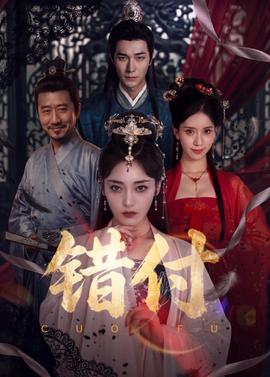
错付 2026

梦想情景

小书虫爱野营

被盗的和平

愤怒管理

收成

巴克叔叔

下乡提亲,为老婆压上一切

不能笑的孤独粉丝见面会

中 第三季

最终一夜

惹她干嘛,她家夫君妖力无边

这个首富,只想疯狂追妻

重生六零:靠盲盒系统养六娃

摩尔秀 第一季

黑骑士

家教

时空奇旅
